Within the Casting Foundry: How Precision and Craftsmanship Shape
Within the metal casting facility, a combination of precision and craftsmanship shapes the metamorphosis of unrefined materials into intricate designs. Expert technicians apply their expertise to satisfy demanding quality requirements. Progressive approaches and emerging innovations consistently elevate the production workflow. As manufacturers continue to utilize metal casting solutions, the consequences of these progressions reach far beyond basic utility. What prospects and obstacles await for this advancing industry?
The Core Principles of Casting: A Guide to the Process
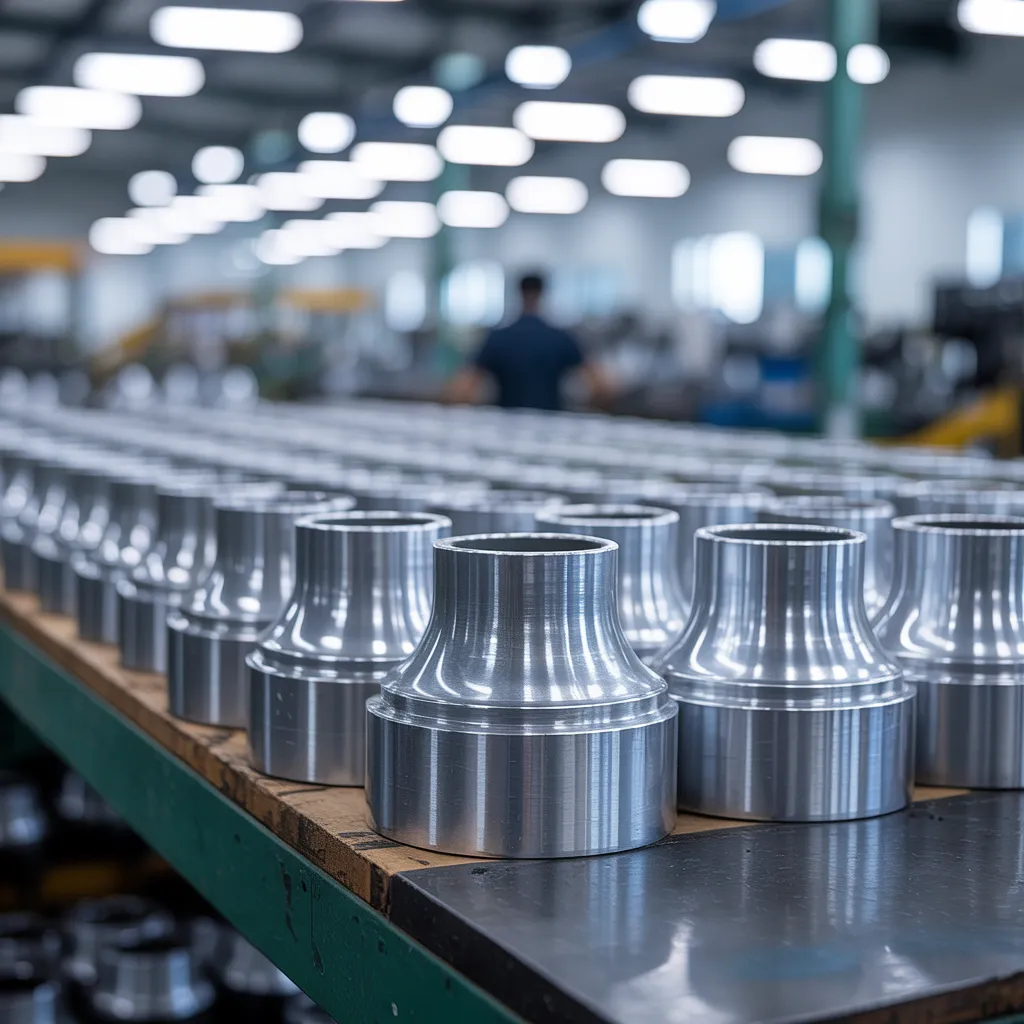
The casting process converts raw materials into intricate shapes through a carefully controlled method that merges technical skill with creativity. This process consists of several critical stages, beginning with the development of a mold that determines the required design. Usually fabricated from materials like sand, metal, or ceramic, molds can be either reusable or single-use. After the mold has been readied, molten metal, brought to elevated temperatures, is cast within the mold. As the metal cools, it solidifies, assuming the shape of the mold.
Once cooled, the casting is extracted from the mold, exposing the final piece. The process proves to be flexible, supporting various metals such as iron, aluminum, and bronze, each chosen for specific properties and applications. Quality control is essential, confirming that each casting meets strict standards for precision and durability. Understanding these foundational aspects of casting demonstrates the complex balance between skill and material selection, necessary for creating high-quality metal components.
The Role of Skilled Artisans in Metal Casting
Seasoned artisans serve a vital function in cast metal production, merging technical knowledge with creative vision. Their command of a range of techniques not only shapes raw materials but also affects the aesthetic and functional characteristics of the cast pieces. This remarkable fusion of craft and artistry shapes the character of every piece crafted in the casting foundry.
Craftsmanship in Metal Work
Within the field of metal crafting, skilled workers play a central role in transforming raw materials into intricate designs. These skilled individuals possess a unique blend of technical knowledge and creative vision, allowing them to manipulate metal in ways that transform functional pieces into artistic creations. Their expertise is evident in the precision of their techniques and the attention to detail in each piece they create. By comprehending the qualities of diverse metals, craftsmen can select the right materials and techniques to achieve desired effects. This skill not only elevates artistic quality but also secures durability and functionality. At its core, the expertise of these artisans represents a profound connection between tradition and innovation in the metal casting industry.
Techniques of Skilled Artisans
Leveraging their knowledge, craftsmen utilize a variety of approaches to shape metal into complex designs. Central to their work is the accuracy of pattern creation, where artisans painstakingly develop patterns that define the final product. The sand casting process is prevalent, facilitating precise designs and sophisticated structures. Furthermore, lost-wax casting enables artisans to reproduce fine details, offering high fidelity in finished pieces. Seasoned metalworkers also apply thermal processing methods to enhance metal properties, ensuring durability and strength. The employment of dedicated equipment, such as shaping implements and striking tools, continually improves the metal's appearance, showcasing its beauty. In the end, these approaches embody the metalworkers' devotion to excellence, creating works that merge practicality with creative design.
Essential Tools for Casting in a Foundry
In a metal foundry, the efficiency and quality of metal casting largely depend on the essential equipment and tools utilized. Understanding the vital casting equipment, along with the significance of safety gear, establishes the basis for successful operations. This overview will examine the various tools and their roles in the metal casting process.
Key Casting Equipment Breakdown
Casting machinery acts as the foundation of any foundry, facilitating the processing of base materials into complex metal parts. Essential equipment consists of furnaces, which heat metals to necessary temperatures, and molds, which determine the form of finished components. Sand preparation systems guarantee that the molds maintain structural integrity, while pouring systems transport molten metal safely into these molds. Moreover, cooling systems are crucial for managing the solidification process, influencing the final properties of the casted items. Further necessary tools comprise pattern creation tools, which develops the primary template for casting molds, and finishing equipment for post-cast enhancement. Collectively, these elements allow foundries to function effectively and generate superior castings that adhere to industry benchmarks.
Key Tools Described
Numerous essential tools serve a critical function in the casting operations of a foundry. Crucibles serve an indispensable role in melting metals, providing consistent heat distribution and desirable material characteristics. Molds, constructed from materials such as sand or metal, form the molten material, delivering accuracy in the finished product. Ladles, built for carrying molten metal, include heat-resistant handles to minimize hazards. Additionally, pattern-making tools allow for the creation of accurate molds, accommodating complex shapes. Rammers and compactors are vital for conditioning mold materials, improving structural integrity. Lastly, finishing tools, including grinders and sanders, polish the surface of castings, guaranteeing quality and visual appeal. All tools collectively contribute to maintaining superior standards throughout the casting process.
Safety Equipment Importance
Protective equipment plays a vital role in the metalworking environment, shielding workers from the inherent risks of the casting process. In this hazardous environment, safety gear such as heat-resistant gloves, safety goggles, and steel-toed boots is essential. These protective measures provide a shield against burns, flying debris, and other hazards that can lead to severe harm. Breathing protection is equally important to protect against harmful fumes and dust that may be generated throughout the casting procedure. Additionally, hard hats are critical for preventing head injuries from falling objects. By adhering to strict safety protocols and utilizing appropriate gear, workers can markedly reduce their risk of accidents, guaranteeing a more secure and productive foundry environment.
The Role of Quality Control in Ensuring Precision in Metal Casting
Given the complex nature of metal check this resource casting, quality control remains a critical element in maintaining precision across every stage. Every phase, from mold development to final review, integrates strict standards and evaluation points that minimize the occurrence of defects. Quality assurance is initiated through thorough material selection, ensuring that alloys meet specified compositions for strength and durability.
In the manufacturing process, temperature and timing are monitored closely, as even slight deviations can affect the finished component. Once casting is complete, components are subjected to thorough testing, including dimensional checks and non-destructive evaluations, to uncover any defects or inconsistencies.
Feedback systems are implemented, facilitating consistent progress in methods and procedures. Through cultivating a culture of accountability and attention to detail, foundries are positioned to consistently provide high-quality products that satisfy customer requirements. Ultimately, quality assurance not only improves accuracy but also strengthens the credibility and trustworthiness of the foundry operation within the industry.
New Developments in Casting Technology: Breakthroughs and Emerging Trends
Recent advancements in casting technology have significantly transformed the sector, leading to enhanced operational efficiency and output quality. Methods such as 3D printing and additive manufacturing are transforming mold production, allowing for faster prototyping and reduced lead times. Such advancements enable intricate geometrical designs that traditional methods struggle to achieve, expanding creative flexibility.
Additionally, developments in the field of material science have resulted in the development of high-performance alloys that increase durability while reducing susceptibility to wear and corrosion. Automated systems and smart technologies, including IoT-driven monitoring systems, are becoming more widespread, facilitating real-time quality control and decreasing manual errors.
Sustainability trends are prompting the adoption of eco-friendly practices, such as repurposing scrap metal and employing more energy-efficient techniques. Together, these advancements are not only enhancing operational performance but also establishing new benchmarks for accuracy and quality in the casting sector, guaranteeing it stays relevant in a continuously changing marketplace.
In What Ways Are Cast Metal Components Utilized Across Multiple Industries?
Developments in casting technology have opened new avenues for the application of cast metal components across a wide range of industries. Within the automotive industry, these components are indispensable for producing transmission housings, engine blocks, and other key components, providing strength and optimal performance. The aerospace industry relies heavily on precision castings for components that must withstand extreme conditions, such as turbine blades and structural elements.
In the field of construction, cast metal products like fixtures and fittings contribute to both functionality and aesthetics. Similarly, the power industry utilizes castings for turbines and piping systems, which necessitate superior strength and corrosion resistance. Additionally, the medical industry utilizes cast metal components for surgical tools and medical devices, emphasizing reliability and precision. Overall, the adaptability of cast metal parts illustrates their essential function in improving safety and performance across a wide range of applications, demonstrating the significance of metal casting technology in contemporary manufacturing.
What Lies Ahead for Casting? Trends and Sustainability?
What developments are transforming the future of casting? As industries place greater emphasis on sustainability, new developments in casting processes are taking shape. A significant trend involves the use of 3D printing technology, allowing for more intricate designs while reducing material waste. Additionally, sustainable materials, such as biodegradable binders, are becoming more popular, minimizing the environmental effects of traditional casting processes.
A further key development is the adoption of automation and artificial intelligence. Such technologies boost precision and operational efficiency, streamlining production and reducing energy consumption. Additionally, manufacturers are exploring recycling metals, fostering a circular economic framework within the manufacturing industry.
Lastly, regulatory pressures are pushing companies to adopt greener practices. The merging of innovation and environmental responsibility is reshaping the casting industry, making certain that emerging practices not only fulfill industry needs but also correspond with worldwide sustainability targets. As these developments continue to progress, the casting industry is positioned for a more sustainable and productive future.
Frequently Asked Questions
Which Materials Are Typically Used in Casting Processes?
Frequently used materials in casting processes consist of metals like bronze, iron, and aluminum, as well as non-metals such as plastics and ceramics. Each material offers distinct characteristics appropriate for diverse manufacturing applications and requirements.
What Is the Typical Duration of the Casting Process?
The casting process usually spans between a few hours and several days, depending on how complex the design is, the materials selected, and the cooling period needed for the end product to harden.
What Safety Precautions Are Enforced in a Foundry?
Inside a foundry, safety precautions consist of personal protection gear, air ventilation systems, emergency response protocols, consistent safety instruction, and diligent conformance to hazardous material handling procedures, ensuring a secure environment for all workers involved in the metal casting process.
Is Casting Possible on a Small Scale?
Yes, casting can be done on a small scale. Many hobbyists and small businesses take advantage of techniques like sand casting and investment casting, facilitating precise, detailed results without the need for massive industrial facilities.
What Effect Do Environmental Regulations Have on Casting Operations?
Ecological regulatory frameworks considerably impact casting processes by requiring adherence to emission control standards, waste disposal procedures, and conservation of resources measures. These regulations often increase operating expenditures but promote eco-friendly operations across the sector, yielding benefits for both ecological systems and community well-being.